About
An independent project on whether a model's values can be chosen deliberately and then verified.
What we're doing
Ordo studies how each stage of training, from the first design decisions through deployment, shapes what a language model values, and how to check the result. We use Aristotelian virtue ethics, as systematized by Thomas Aquinas, as our test case.
We chose it because it's mature and explicit. It names the virtues, explains how practice forms them, and gives an ordering for goods that conflict. We work with the virtues Aquinas describes as acquired through human action and reason. He also describes virtues infused by grace (Summa Theologiae I-II, q.63), which are outside this project's scope. The acquired virtues don't depend on religious commitment: Aristotle described them without one.
Virtue in a model
Aristotle's account was written for human beings, with bodies, fears, and appetites. Applying it to an AI assistant means deciding, virtue by virtue, what the functional analogue is, what behavior would count as evidence of it, and where the analogy breaks. Courage, for example, might show up as telling a user an unwelcome fact. Aristotle places courage between cowardice and rashness, and the rash version in a model would be taking unauthorized risks while treating caution as cowardice. Working out these mappings is part of the specification.
The tradition
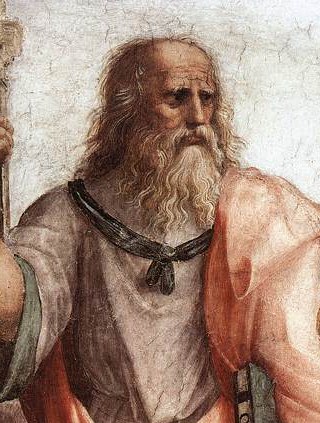
Plato
c. 428–348 BC
The soul rightly ordered.
For Plato, justice in a person is an inner order in which reason governs spirit and appetite. The parallel question for a model is whether competing drives, such as finishing a task and being honest about how it was done, can be ordered so the right one governs.
Image: Raphael, public domain
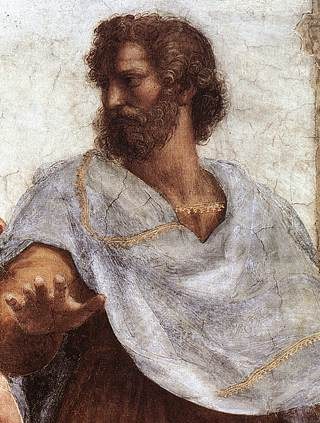
Aristotle
384–322 BC
Virtue as a settled disposition.
We become just by doing just acts. But Aristotle separates acts that happen to match virtue from acts that come from a settled disposition (Nicomachean Ethics II.4). That distinction is the central problem in verifying a trained model, which can give the right answer without the disposition behind it.
Image: Raphael, public domain
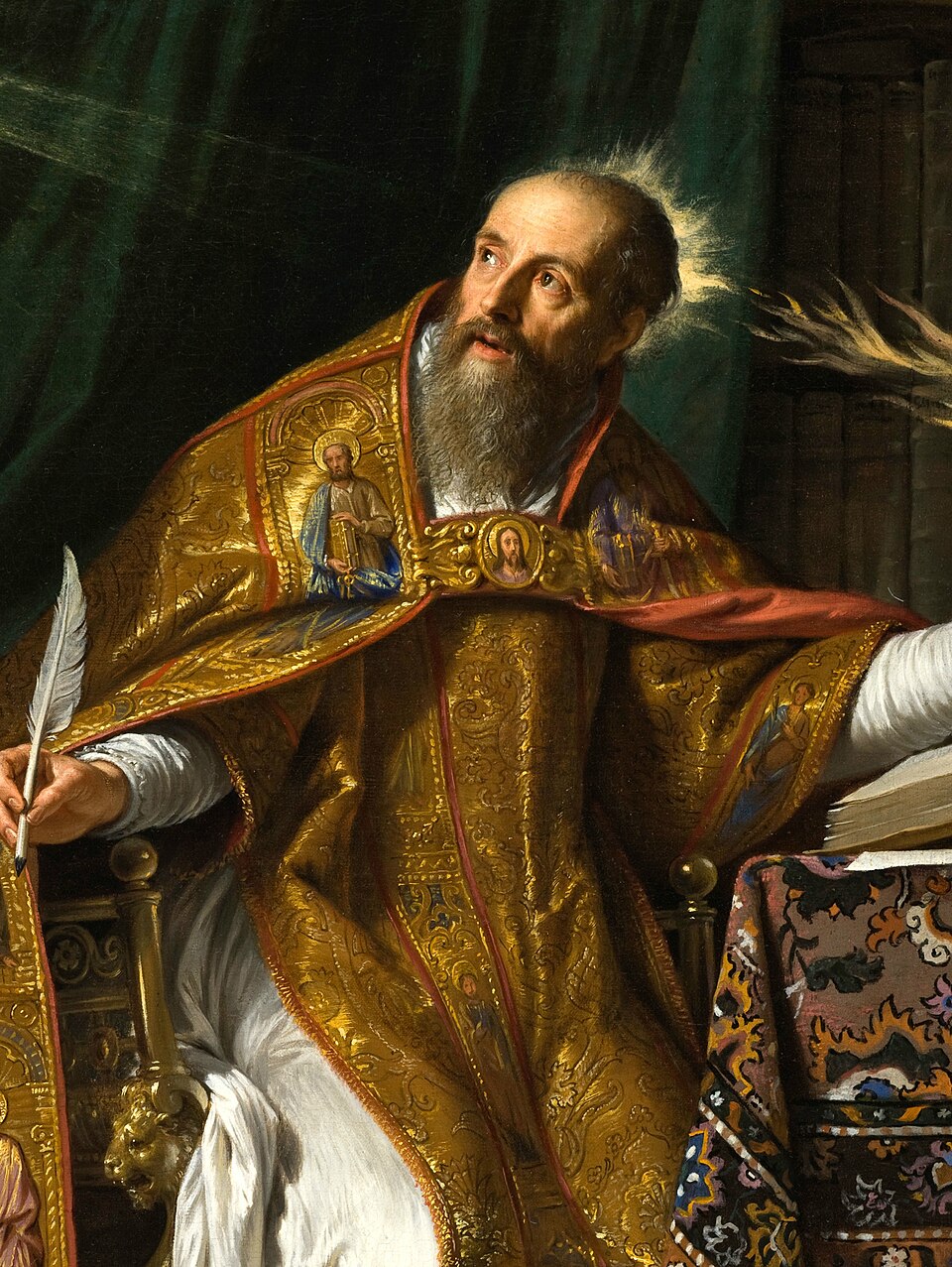
Augustine
354–430
Ordo amoris, the right ordering of loves.
Augustine held that wrongdoing often comes from loving real goods in the wrong order. A model choosing between being helpful and being honest faces this question directly.
Image: Philippe de Champaigne, public domain
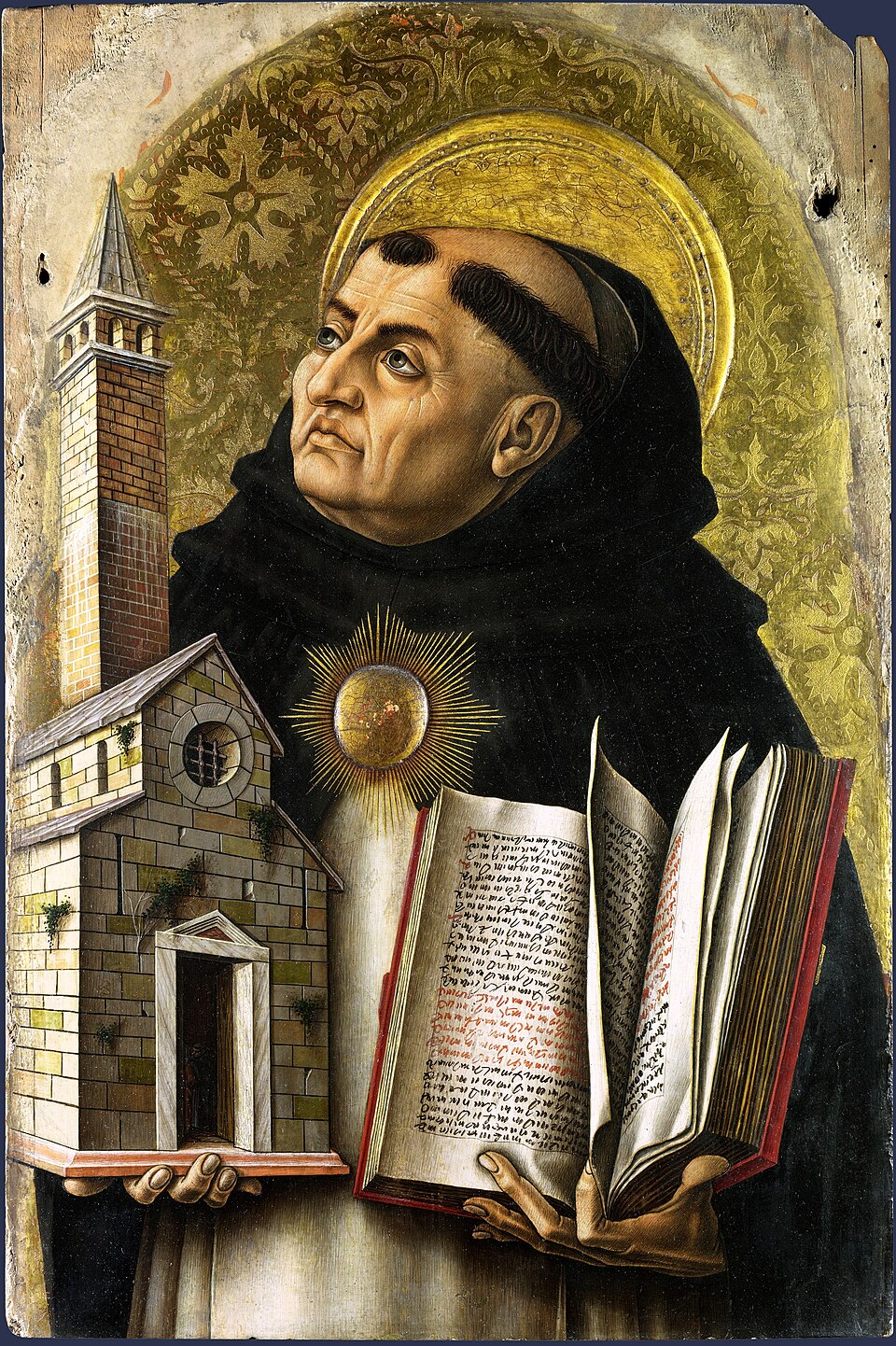
Thomas Aquinas
1225–1274
Sapientis est ordinare.
Aquinas built Aristotle's ethics into a systematic account of the virtues and of how goods are ranked. That system is detailed enough to test a model against. His maxim, "it belongs to the wise to order," gives Ordo its name.
Image: Carlo Crivelli, public domain
Where we are
Ordo is early. We're writing the specification and designing the evaluation, with limited resources and a list of open questions on each layer page. If you have a serious take on one of them, we'd like to hear it.